Eat in the French Basque Country
What to Eat in the French Basque Country: A Food Lover’s Guide

What to Eat in the French Basque Country: A Food Lover’s Guide

The French Basque Country is the sort of place where it is almost impossible to separate travelling from eating.

Food here is deeply connected to the landscape. The Atlantic provides tuna, anchovies and hake. Sheep graze in the foothills of the Pyrenees, producing milk for distinctive mountain cheeses. Farms grow beans, cherries and the famous red peppers of Espelette. In Bayonne, meanwhile, ham has been salted and cured for centuries.

Basque cooking is generally hearty rather than elaborate. Peppers, tomatoes, onions, garlic and olive oil appear repeatedly, while seafood dominates menus along the coast. And then there is the cultural overlap. This is unmistakably France, but the food doesn’t always feel traditionally French. Basque identity comes first, and influences from across the nearby Spanish border are impossible to miss.

Piment d'Espelette

Start with the ingredient that seems to find its way into almost everything.

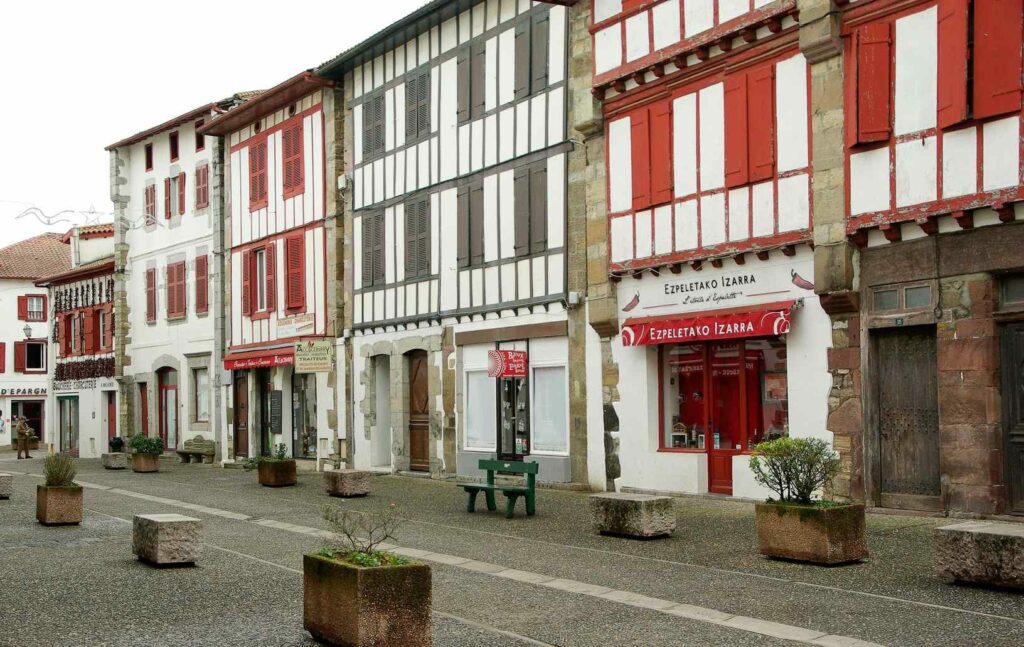
Piment d’Espelette is a red chilli grown around the village of Espelette and several neighbouring communes. It has protected AOP — Appellation d’Origine Protégée — status, meaning genuine Piment d’Espelette must come from its designated production area.

Espelette pepper is prized more for its warm, fruity flavour than intense heat. In the French Basque Country, it is used almost like black pepper, seasoning everything from eggs and meat to fish, sauces and pâtés.

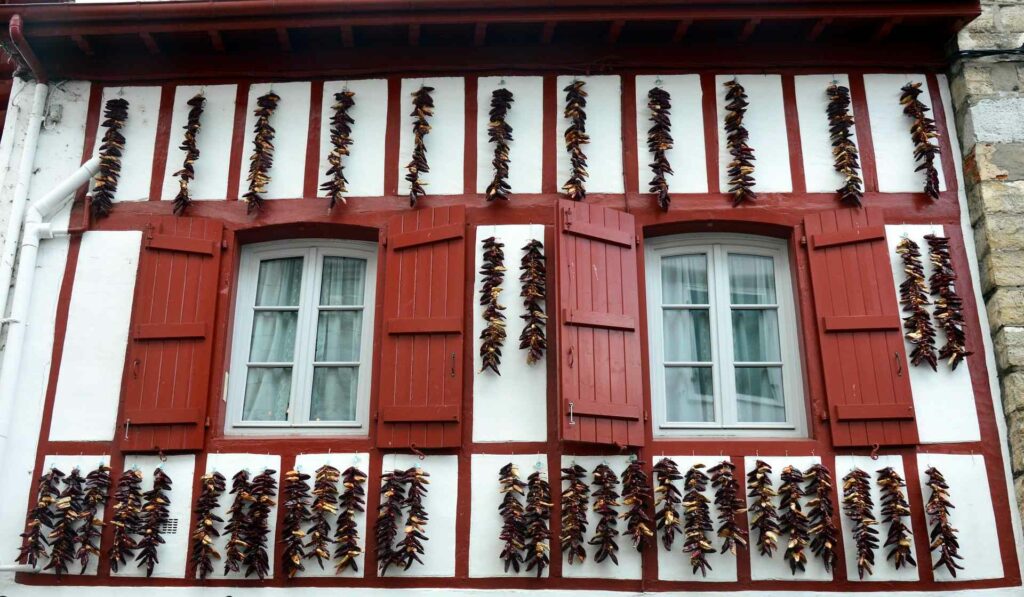
Traditionally, harvested peppers are strung together and hung against the white façades of Basque houses to dry, producing one of the region’s most recognisable sights.

You’ll encounter it as whole dried chillies, powder, purée and jelly — and in plenty of less traditional creations, including cheese, mustard and chocolate.

Poulet Basquaise

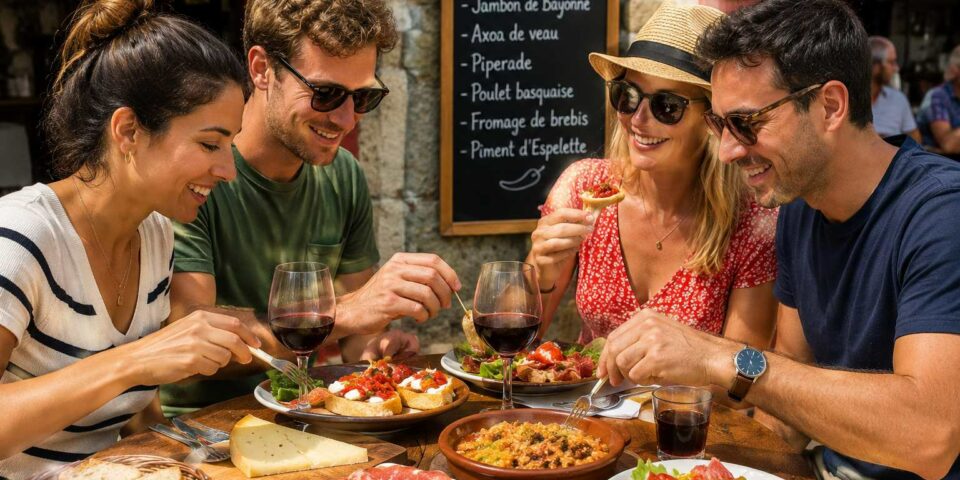
Probably the best-known Basque dish throughout the rest of France, poulet basquaise is chicken cooked in a rich sauce of tomatoes, peppers, onions and garlic.

Piment d’Espelette provides the characteristic warmth.

It’s another good example of how uncomplicated Basque cooking can be. There are no elaborate techniques or luxurious ingredients required — just good produce cooked slowly until the flavours intensify.

You’ll find versions far beyond the Basque Country, but eating it in its home region is naturally more satisfying.

Ttoro

Head towards the Atlantic and the food changes.

One dish worth actively seeking out around Saint-Jean-de-Luz and Ciboure is ttoro, the traditional fish stew of the French Basque coast.

Its origins lie with local fishermen, who could turn part of their catch into a substantial meal.

There isn’t one rigid recipe. Depending on the season and restaurant, ttoro can contain several kinds of fish along with shellfish, cooked in a tomato-based sauce flavoured with garlic, onions, wine and peppers.

Think somewhere between a fish stew and a soup, with plenty of bread required for dealing with the sauce

Ossau-Iraty

One of the region’s great cheeses is Ossau-Iraty. Made from sheep’s milk in the western Pyrenees, this AOP cheese has a history stretching back centuries.

Younger examples tend to be relatively smooth and gentle, while longer-aged cheeses develop firmer textures and nuttier, more complex flavours.

But there’s a particularly Basque way to eat sheep’s cheese – add black cherry jam!

Black Cherries from Itxassou

The village of Itxassou is traditionally associated with cherries, including distinctive local varieties.

They are turned into preserves and jams, most famously served alongside sheep’s cheese.

Look for confiture de cerises noires in markets and delicatessens.

It’s also one of the easiest edible souvenirs to bring home from the Basque Country — although once you’ve started putting it on cheese, a jar tends not to last very long.

Pintxos

Crossing into Spain isn’t necessary to encounter pintxos.

The tradition is stronger south of the border, particularly in San Sebastián, but pintxos are also firmly part of contemporary eating and drinking culture in the French Basque Country.

Bayonne, Biarritz and Saint-Jean-de-Luz all have bars where small portions are displayed along the counter.

They might involve anchovies, peppers, cured ham, tortilla, seafood, cheese or combinations piled onto small pieces of bread.

Gâteau Basque

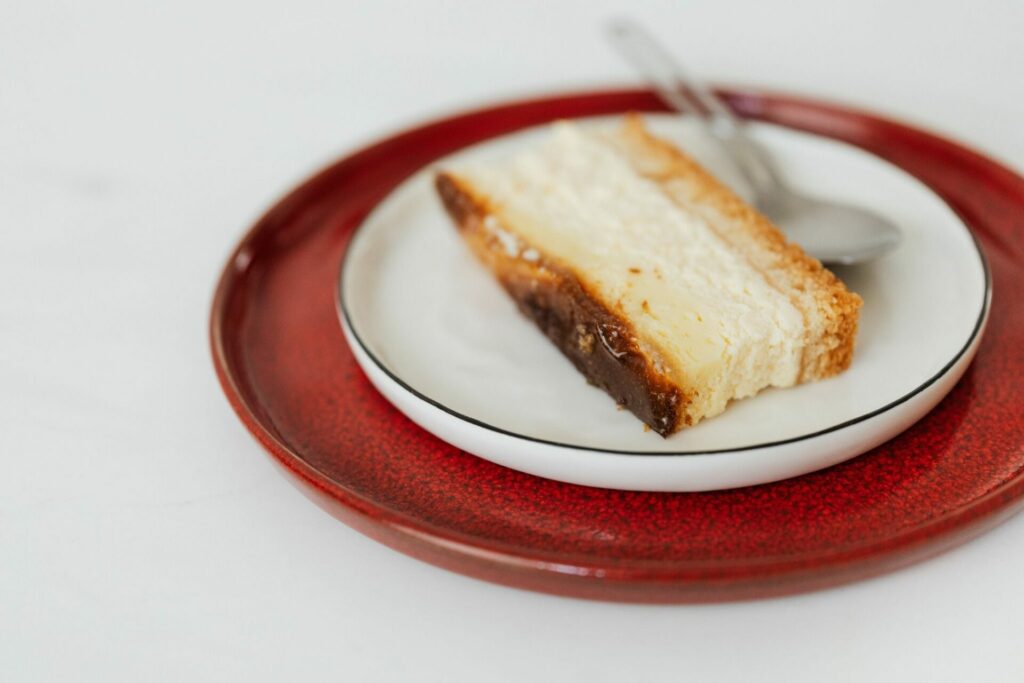
Gâteau basque is the dessert you’ll encounter everywhere — in bakeries, markets, restaurants and food shops.

Despite its name, gâteau basque isn’t a light sponge cake. It consists of a buttery, slightly crumbly pastry enclosing a filling.

One traditional version is filled with pastry cream, while another contains black cherry preserve.

Leave a Reply

Your email address will not be published. Required fields are marked *

X