Cathédrale Sainte-Maire de Bayonne
Cathédrale Sainte-Marie de Bayonne: A Gothic Jewel in the Basque Country

Cathédrale Sainte-Marie de Bayonne: A Gothic Jewel in the Basque Country

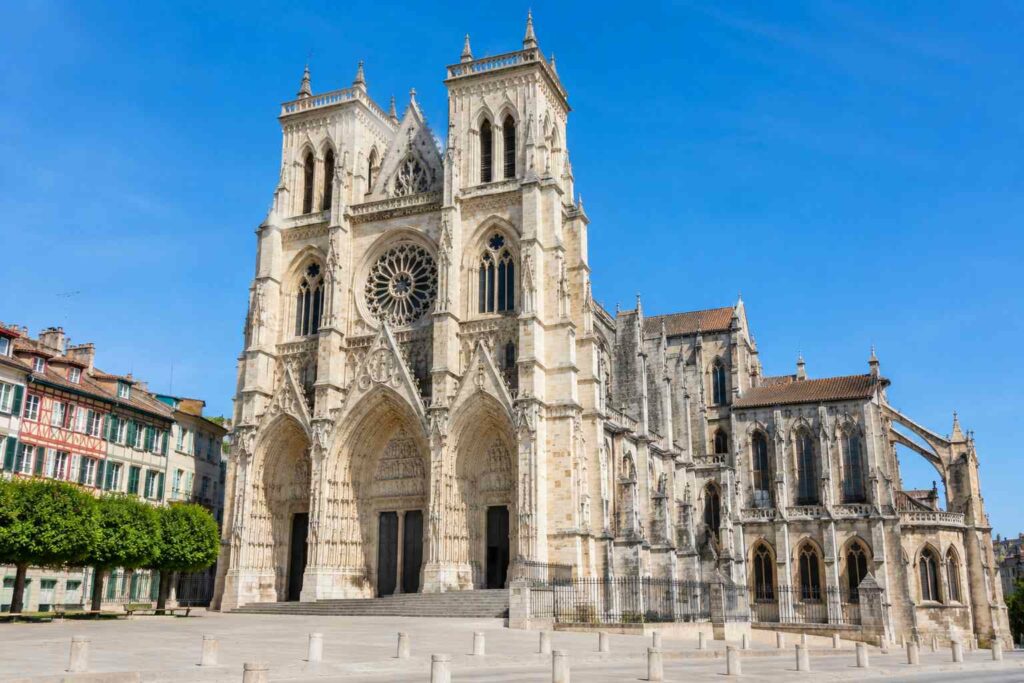
Located in the heart of Bayonne, in southwestern France, the Cathédrale Sainte-Marie de Bayonne is one of the most remarkable Gothic monuments in the region. Recognized as a UNESCO World Heritage Site as part of the Routes of Santiago de Compostela in France, this impressive cathedral attracts visitors with its rich history, elegant architecture, and spiritual significance.

A Historic Landmark in Bayonne

The Cathédrale Sainte-Marie de Bayonne was built between the 13th and 16th centuries on the site of an earlier Romanesque church. Its construction reflects the influence of Gothic architecture that spread across France during the Middle Ages. Over the centuries, the cathedral became an important religious and cultural center for the city and the surrounding Basque region.

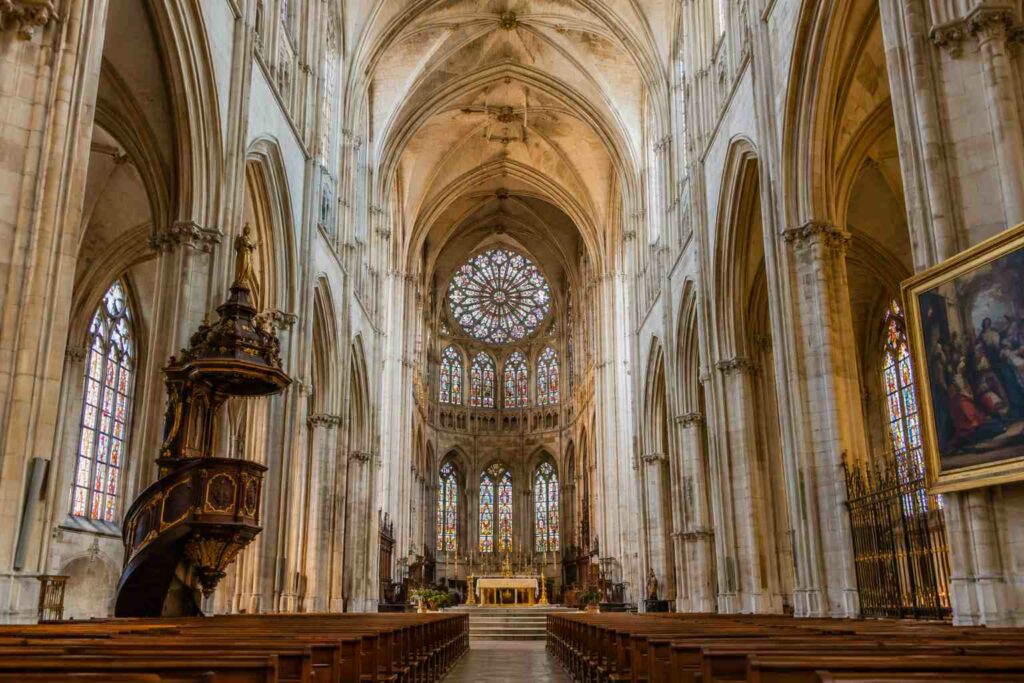
The monument is particularly known for its soaring nave, magnificent stained-glass windows, and twin spires that dominate Bayonne’s skyline. Visitors can also admire the peaceful cloister, one of the largest and best-preserved in France, offering a glimpse into medieval monastic life.

Practical Information for Visitors

👉 Location: Situated in the historic center of Bayonne, within walking distance of the city’s main attractions.

👉 Architectural Style: French Gothic architecture with remarkable stained-glass windows and intricate stonework.

👉 UNESCO Status: Part of the UNESCO-listed Routes of Santiago de Compostela in France.

👉 Highlights: The majestic nave, the impressive cloister, colorful stained-glass windows, and panoramic views of the city.

👉 Best Time to Visit: Spring and summer provide pleasant weather for exploring both the cathedral and Bayonne’s old town.

👉 Cultural Significance: The cathedral remains an active place of worship and a symbol of Bayonne’s religious heritage.

👉 Nearby Attractions: Explore the charming streets of the old town, the Basque Museum, and the banks of the Nive and Adour rivers.

Leave a Reply

Your email address will not be published. Required fields are marked *

X